On Peptide Pureness
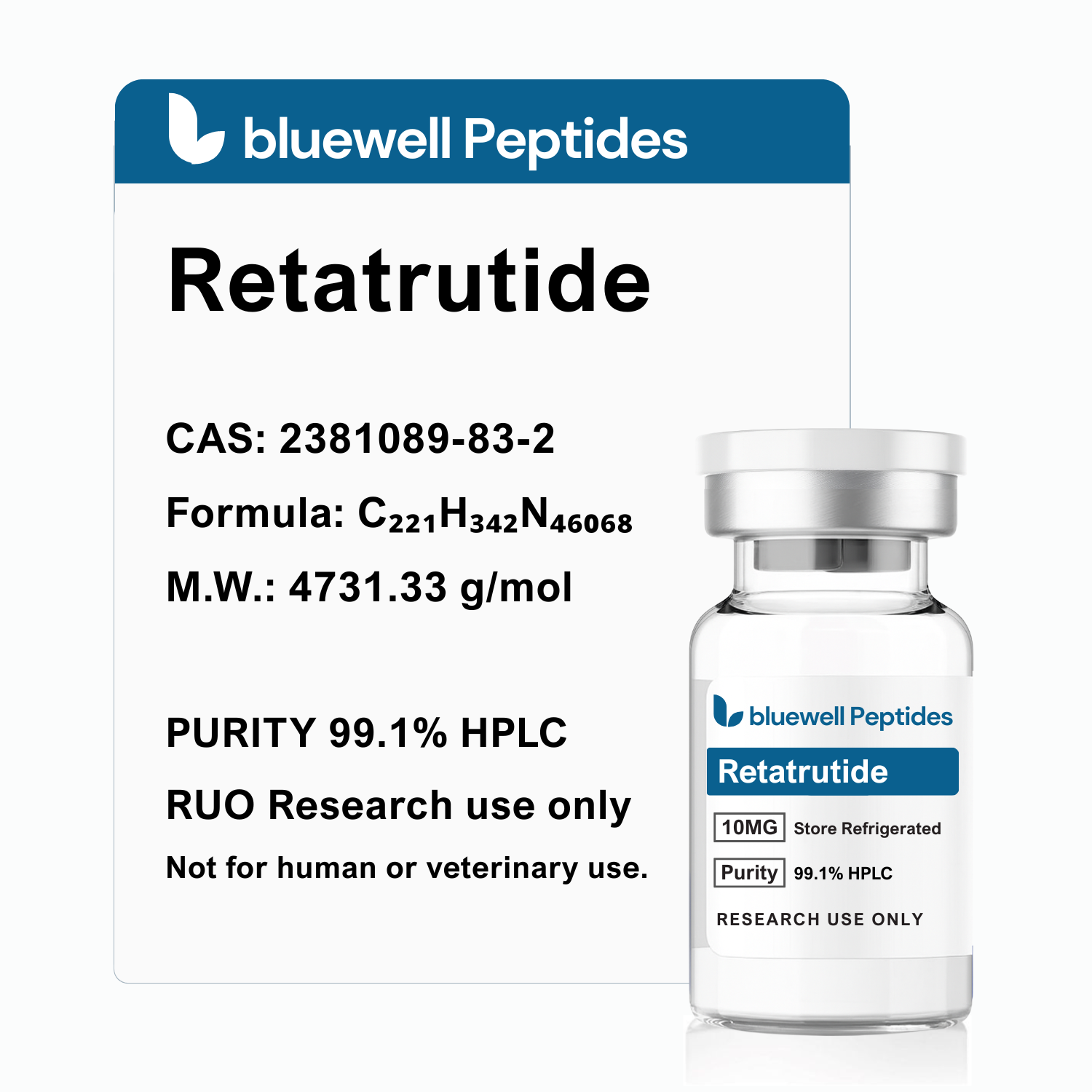
Exactly How Hplc Is Made Use Of To Check The original source Peptide Pureness Notably, this purity figure is usually established after filtration (e.g. by HPLC) and concentrates on peptide impurities-- it doesn't count recurring water, salts, or counter-ions in the dried out peptide powder. Simply put, the purity percentage has to do with the structure of peptide varieties in the example, not the weight payment of water or salts. If you've ever before gotten an artificial peptide for a laboratory experiment, you've most likely noticed a pureness portion on the certification of analysis-- generally worths like 95%, 98%, or even 99%. Peptide purity is a vital top quality metric that tells you what portion of a peptide sample is the intended Website link product versus undesirable by-products. In straightforward terms, a peptide noted as 95% pure is composed primarily of the target peptide (95%), with the remaining ~ 5% comprised of impurities. These contaminations can include points like shortened or trimmed series, deletion versions, oxidized residues, or other minor side-products from the synthesis process. The pureness is then measured as the percent of the primary height location versus total locations, giving an exact step of how pure the peptide is [2] Matching HPLC, research laboratories make use of Mass Spectrometry (commonly paired as LC-MS) to verify the peptide's molecular weight and sequence identification. Mass spectrometry offers molecular confirmation by finding the exact mass of the peptide and any kind of co-eluting species or truncated series with high accuracy. Together, HPLC and MS information permit experts to validate that the peptide's make-up matches what it should be (right amino acid sequence and expected modifications) which no considerable pollutants are present. Laboratory recognition of peptides is not only a scientific ideal technique-- it's often a governing demand when peptides are utilized in restorative advancement or clinical research study. FDA and the European EMA have actually developed guidelines mandating complete analysis and quality assurance for peptide products to make certain security and effectivenessr.
Peptide Screening: Hplc & Mass Spectrometry Pureness Confirmation
Our Certified Peptide Synthesis Lab is specifically made and run to allow the custom-made synthesis of peptides according to defined treatments and under prescribed lab conditions. For peptide purity testing, reverse-phase HPLC is the conventional conceptual design. Associated contaminations look like smaller tops at different retention times. The chromatographic pureness is after that computed by comparing the location under the primary peak with the total location under all incorporated heights.What machine is used to check peptide purity?
Peptide purity is regularly determined by HPLC (high performance liquid chromatography). This technique makes it possible for splitting up and family member metrology of each peptide manufactured. If combined to a mass spectrometer (MS), this supplies molecular mass/ identification information of the target peptide and coming with pollutants.
Pureness Qualities Described
In case I do not see you, good afternoon, good evening, and excellent night. Might your examinations stay accurate, your peptides remain pure, and your study remain confirmed. Provided the popularity of compounds talked about in sources like the semaglutide versus tirzepatide contrast, confirmation guarantees research study with the desired compound. Collective alertness boosts quality standards across the marketplace by gratifying top quality suppliers and exposing problematic ones. Basic screening typically takes 5-7 service days from sample receipt. Before dedicating substantial cash to big quantity acquisitions, checking an example gives assurance that the mass order will certainly fulfill assumptions.Store +99% Pure Peptides
It's an additional step that offers researchers self-confidence that each peptide meets consistent, verifiable criteria. Peptide pureness is usually revealed as a percentage, such as 95% or 98%. This figure represents how much of the sample is composed of the wanted peptide series. For the majority of laboratory applications, a purity of 95% or higher is taken into consideration research-grade. Previous articles in this series have highlighted exactly how peptide synthesis has made it possible for the growth of a vast array of effective vaccines and healing representatives.- Via approaches such as HPLC and mass spectrometry, researchers can better comprehend peptide composition, validate item identity, and testimonial distributor top quality criteria.
- HPLC procedures chromatographic purity by dividing the target peptide from relevant impurities and computing main-peak area percent.
- While greater pureness portions are typically liked, purity ought to not be evaluated in isolation.
- Separates and measures each part to confirm phenomenal pureness.
- Mass spectrometry examines molecular mass and can aid validate peptide identification.